Thinking about trading Boston’s density for more space in the suburbs? That move can be exciting, but it also comes with real lifestyle and budget changes. If you’re considering Westwood, it helps to look beyond the idea of a quieter town and understand what daily life, housing, and commuting may actually feel like. Let’s dive in.
Westwood vs. Boston at a Glance
Westwood and Boston serve very different living styles, even though they are only about 12 miles apart. According to Westwood planning materials, Westwood is an established suburb with mostly single-family homes, plus some newer multifamily and commercial growth.
Boston is much denser and much more renter-oriented. The same Westwood planning data shows Boston has far higher population density, while Westwood has a much larger share of owner-occupied housing. If you are moving from Boston to Westwood, the biggest shift is usually not distance from the city. It is the move from an urban environment to a more ownership-focused suburban routine.
What Living in Westwood Feels Like
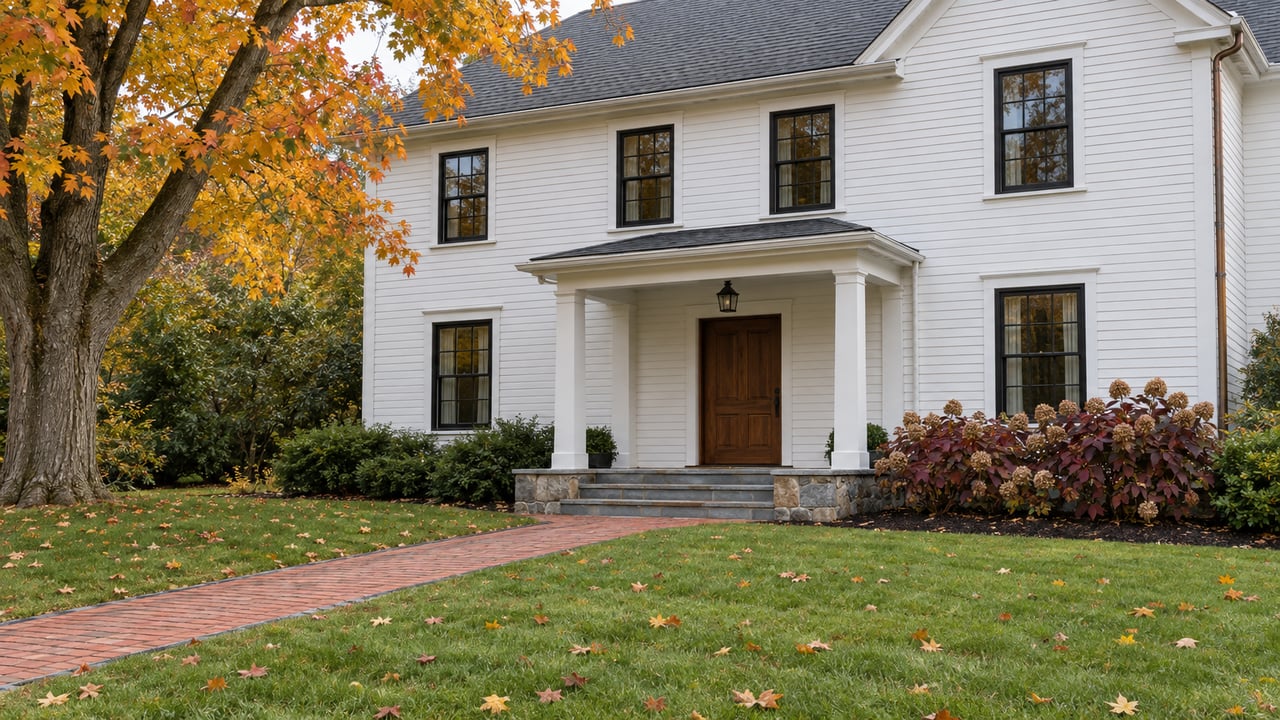
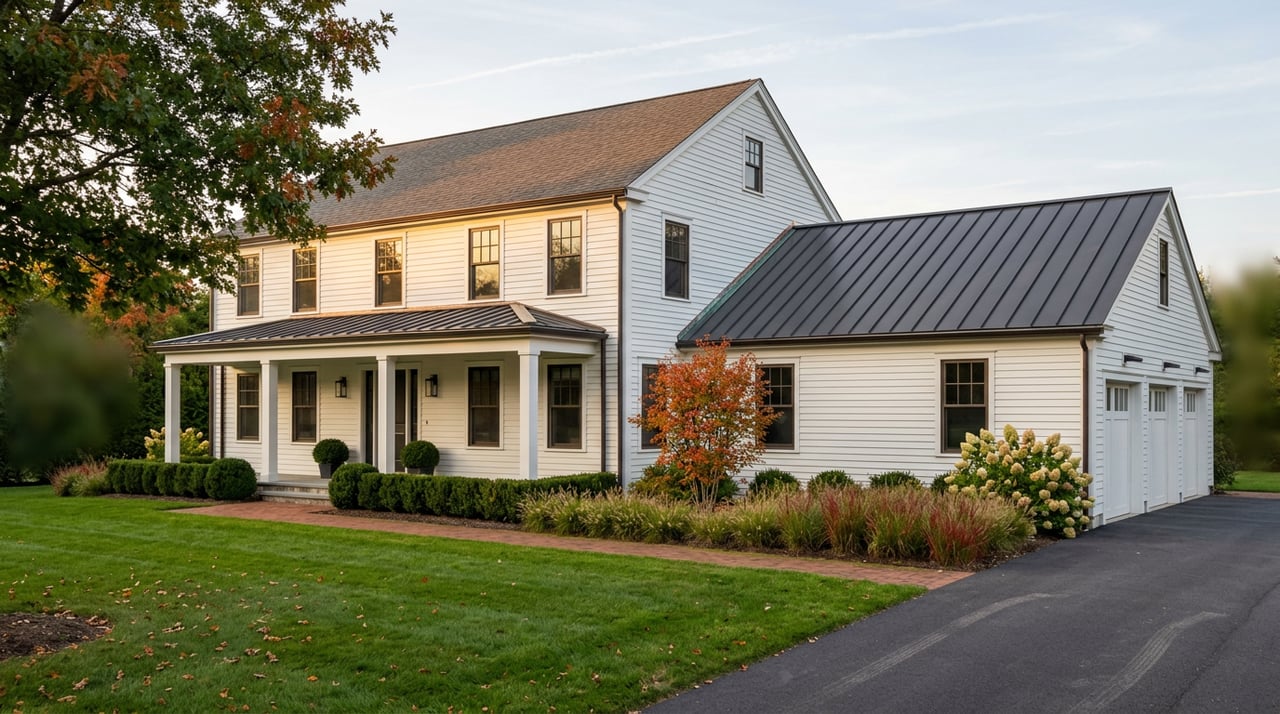
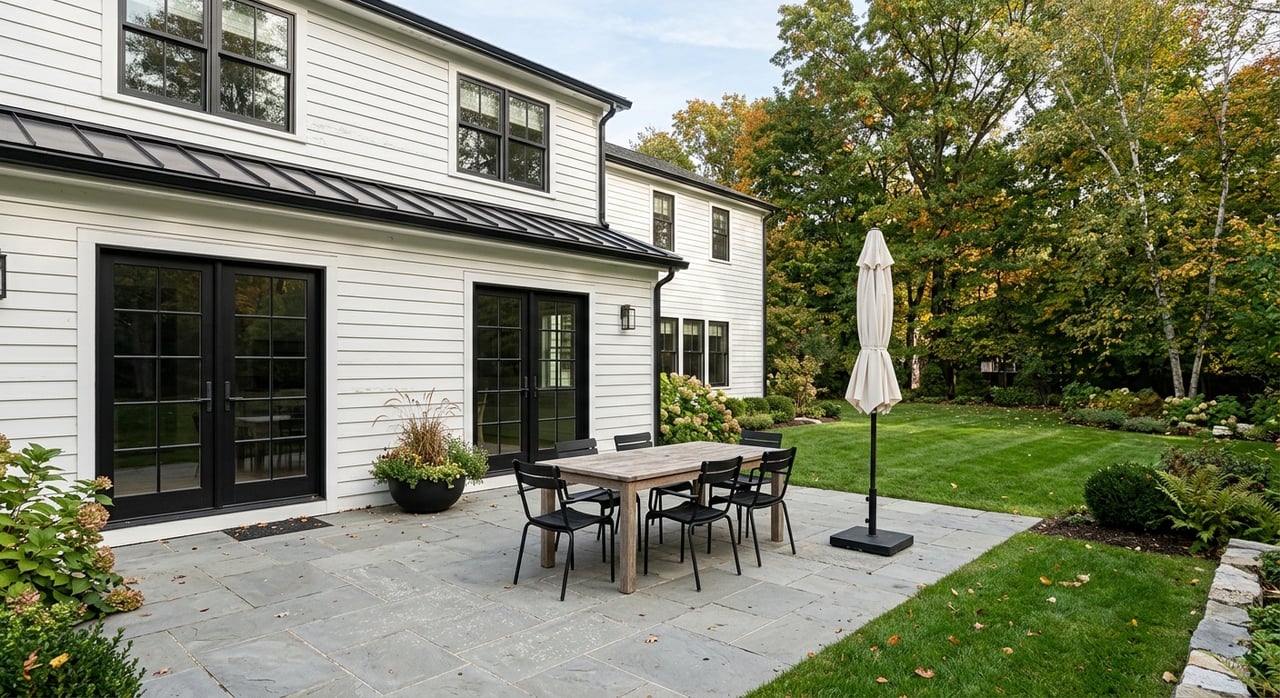
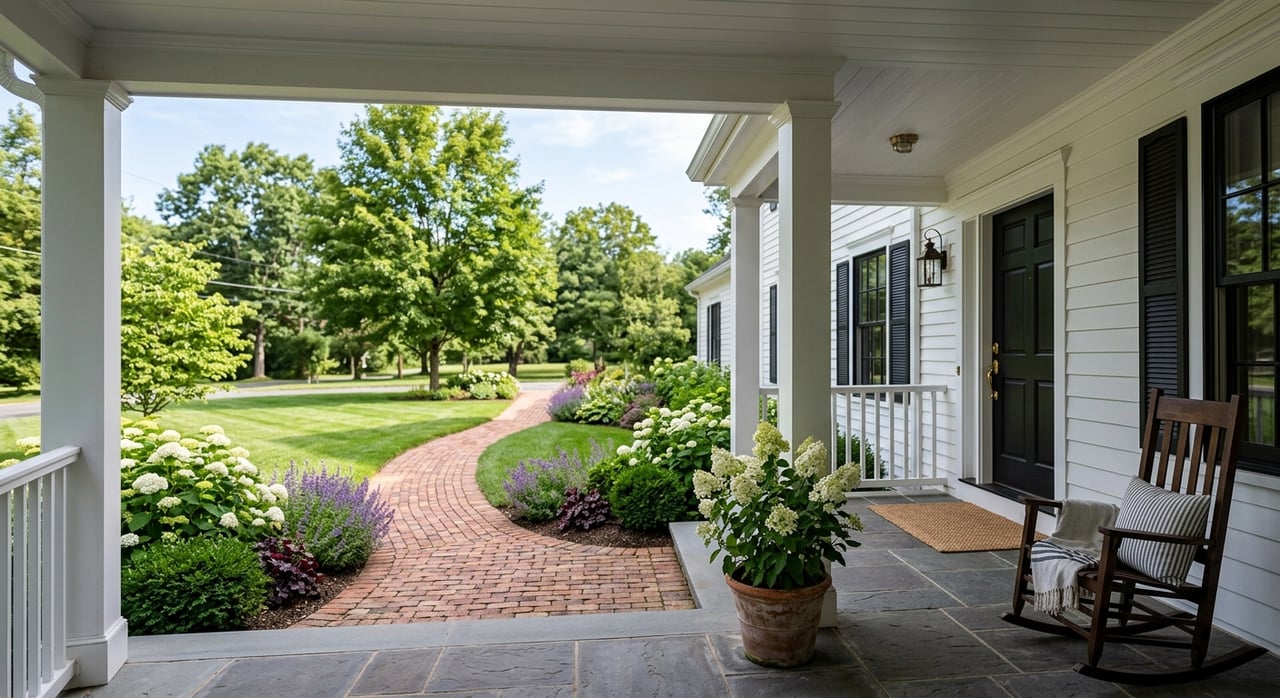
Westwood tends to appeal to buyers who want more room and a more residential setting. The town highlights local recreation, conservation areas, two libraries, a senior center, youth and family services, and a growing mixed-use district at University Station on its About Westwood page.
That does not mean Westwood feels like a walk-everywhere city environment. The town’s own transportation planning says Westwood is still fundamentally auto-oriented, even as it continues pedestrian and bike improvements. In everyday terms, that means your routine may center more on driving, parking, and planned trips than it would in many Boston neighborhoods.
Commute Options to Boston
One of Westwood’s biggest strengths is that you can still stay connected to Boston. Westwood has two commuter rail stations. Town materials note that Islington station and Route 128 station provide MBTA commuter rail access, and Route 128 also serves Amtrak at 50 University Avenue.
There is also MBTA bus service on Washington Street with connections to Forest Hills. Still, the town’s transportation plan explains that many riders drive to Route 128, and non-driver options remain limited compared with Boston. If you currently rely on the subway or walkability for most of your daily errands, this is one of the biggest practical differences to think through.
Commute Time May Not Change Much
A move to Westwood does not always mean a longer average commute. Census QuickFacts reports mean travel time to work at 30.2 minutes in Westwood and 30.3 minutes in Boston.
That number is useful, but it does not tell the whole story. The larger change is often how you commute, not just how long it takes. In Boston, you may have more flexibility across transit, walking, or shorter local trips. In Westwood, commuting can feel more structured around rail schedules and car access.
Housing in Westwood Is a Different Market
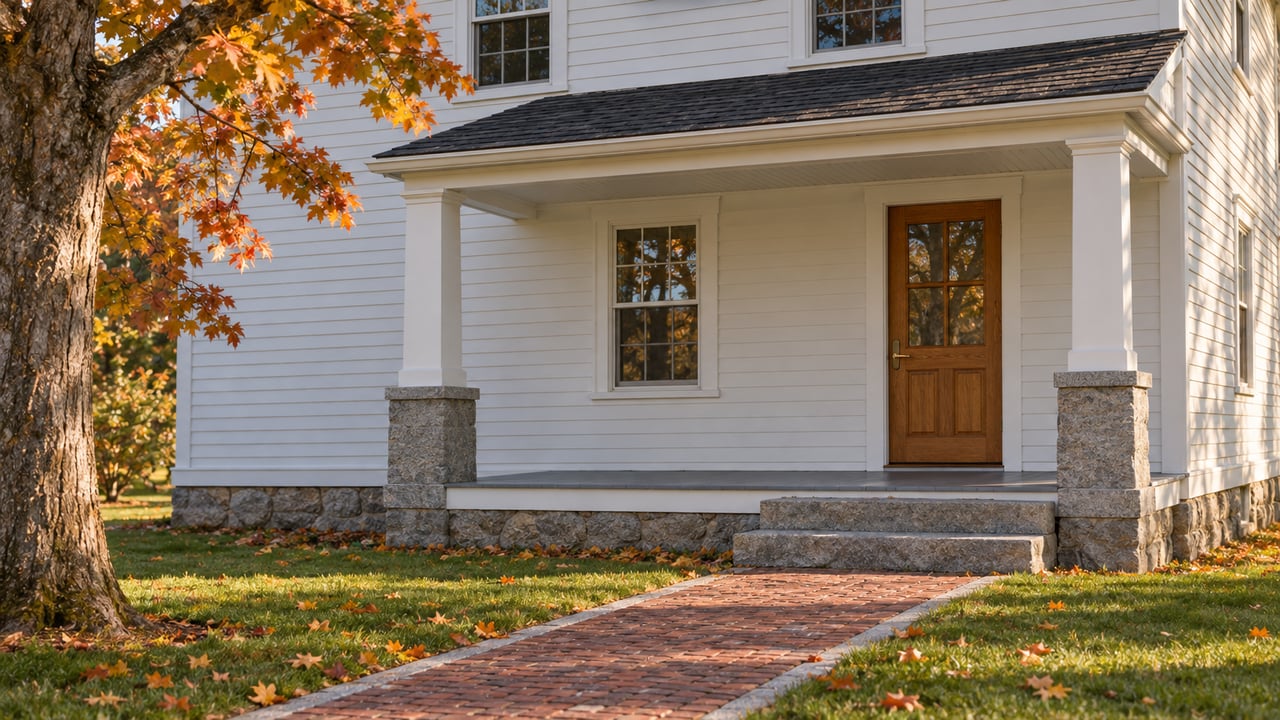
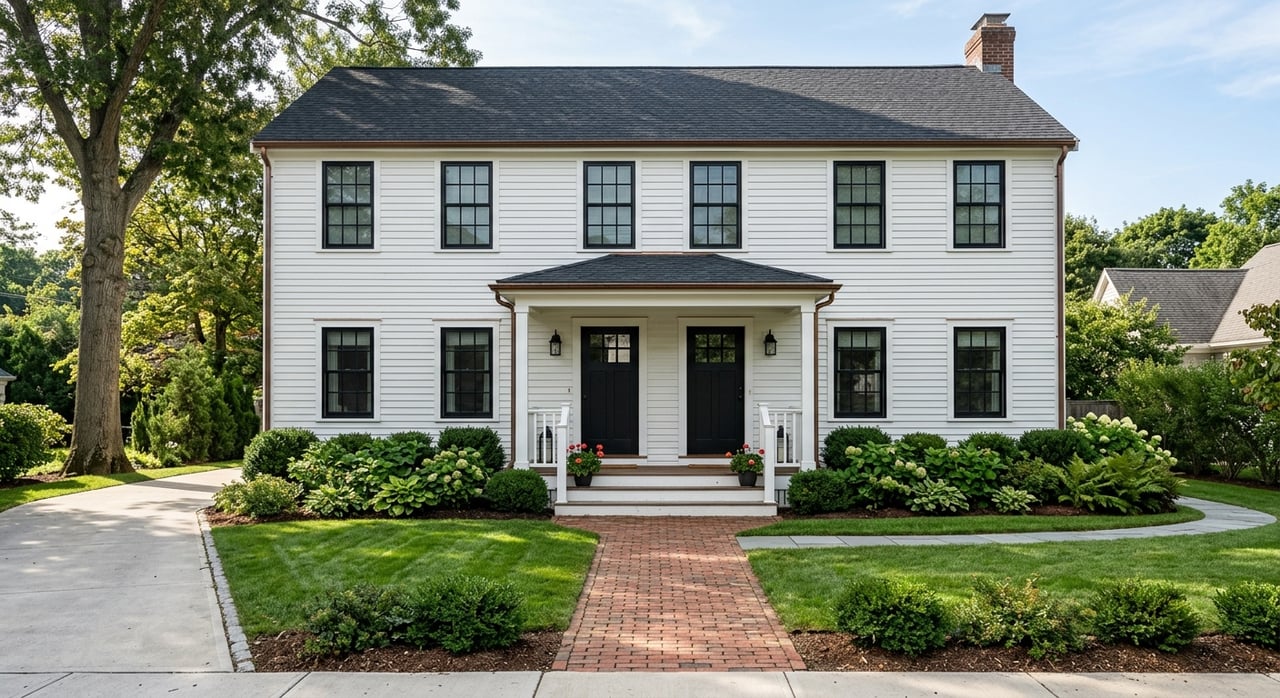
If your current housing search in Boston has focused on condos, apartments, or smaller multi-unit buildings, Westwood may feel like a sharp shift. Westwood’s housing plan says 4,483 of 5,816 housing units in the town’s 2017 assessor records were single-family homes, though multifamily additions at University Station and Islington Center have broadened the mix somewhat.
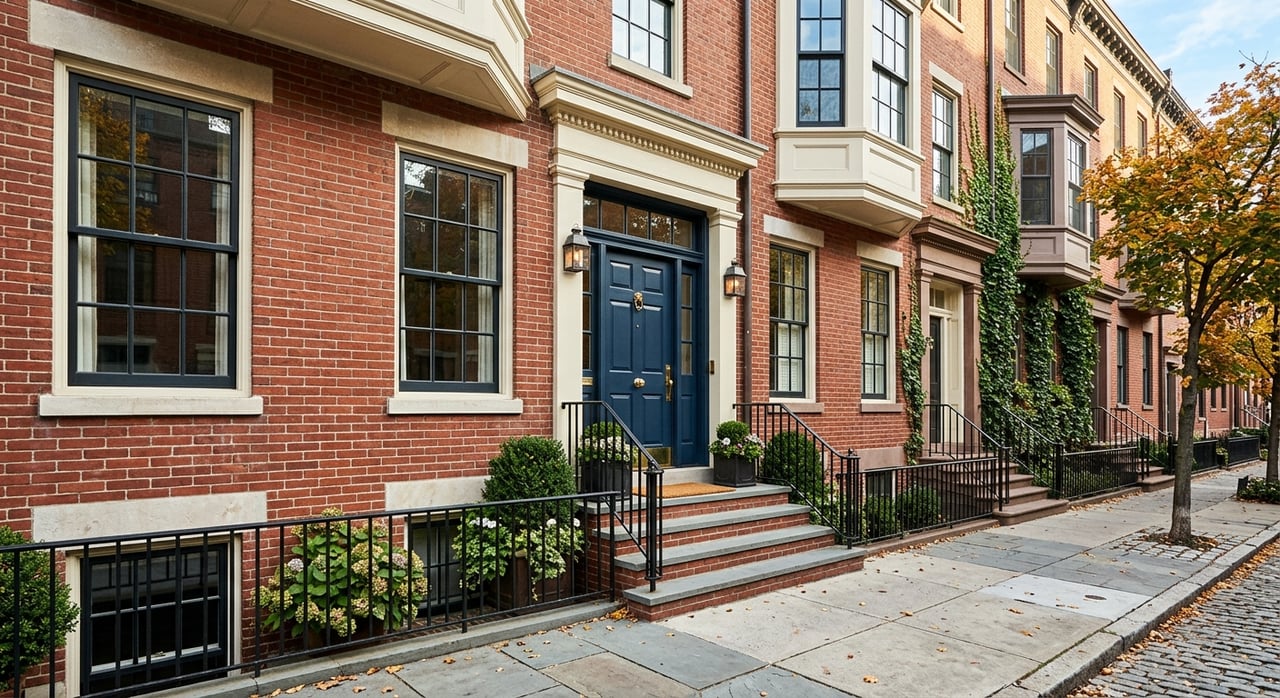
Boston’s housing stock is very different. Westwood planning materials cite Boston as having a much larger share of housing in 2 to 4 unit, 5 to 19 unit, and 20+ unit buildings, while detached single-family homes make up only a small share of Boston’s housing. If you want a predominantly single-family market, Westwood offers that more clearly than Boston does.
You May Get More Space, But Not Lower Prices
A common assumption is that moving from Boston to the suburbs automatically lowers your housing costs. In Westwood, that is not necessarily true. According to Zillow home value data, Westwood’s typical home value is about $1.20 million, compared with $768,702 in Boston.
Zillow also reports median list prices of about $1.59 million in Westwood and $864,000 in Boston. Over the past year, Zillow shows Westwood values up 3.6%, while Boston values were down 0.4%. Those figures are best read as directional, but they reinforce the same point: if you are moving to Westwood for more space, you should not assume it will also be the lower-cost option.
Ownership Costs Matter Too
The broader ownership picture also points to higher costs in Westwood. Census QuickFacts shows a median owner-occupied value of $985,800 in Westwood versus $731,700 in Boston.
Monthly owner costs with a mortgage are also higher in Westwood, at more than $4,000 compared with $2,986 in Boston. Even rent is not dramatically cheaper, with median gross rent at $2,390 in Westwood and $2,147 in Boston. If budget is your main reason for moving, Westwood may not deliver the savings you expect.
Who Westwood Often Fits Best
Westwood may be a strong fit if you want a more suburban layout and a market with more ownership-oriented housing. It can also make sense if you want commuter rail access to Boston but prefer your home environment to feel less dense and more residential.
You may also appreciate Westwood if you are looking for a community with established neighborhoods, local services, conservation land, and retail options that support day-to-day convenience. The presence of University Station and local retail corridors adds practical amenities without making the town feel urban.
Who May Prefer Staying in Boston
Boston may still be the better fit if your priorities center on dense city living, broader transit convenience, and a wider mix of apartment or condo options. If you value being able to get around without depending much on a car, Boston generally offers more flexibility.
The city may also make more sense if your housing goals lean toward renting, smaller-unit living, or neighborhood-by-neighborhood variety in building types. Based on the density and housing mix cited in Boston planning materials and Westwood’s own housing data, Boston remains the stronger match for people who want a more urban setup.
Questions to Ask Before You Move
Before you decide, it helps to think through your day-to-day priorities. A move from Boston to Westwood is often less about mileage and more about rhythm.
Ask yourself:
- Do you want more interior space or outdoor space?
- Are you comfortable with a more car-dependent routine?
- Would commuter rail meet your needs, or do you prefer subway access?
- Are you shopping mainly for a single-family home?
- Does your budget support Westwood’s higher ownership costs?
- Are you looking for a quieter, more residential setting?
Clear answers to those questions can tell you more than any broad market comparison. The right move depends on how you want to live, not just where you want to be on a map.
Bottom Line on Moving to Westwood
For many Boston-area buyers, Westwood offers a compelling mix of suburban space, rail access, and a largely single-family housing market. For others, Boston will remain the better choice because of its density, transit network, and broader apartment and condo options.
If you are weighing both markets, the most helpful next step is to compare your budget, commute style, and housing goals against what each place actually offers. If you want local, practical guidance as you sort through that decision, Melissa Deutsch can help you evaluate your options with a clear plan and a steady hand.
FAQs
Is Westwood close enough for a Boston commute?
- Yes. Westwood is about 12 miles southwest of Boston and offers commuter rail access through Islington and Route 128 stations, though daily travel often involves more driving than a typical Boston commute.
Is Westwood more affordable than Boston for homebuyers?
- Not usually. Zillow and Census data in the research show higher home values and higher monthly ownership costs in Westwood than in Boston.
Does Westwood have public transportation to Boston?
- Yes. Westwood has MBTA commuter rail service, MBTA bus service on Washington Street, and Amtrak service at Route 128, but the town remains more car-oriented than Boston.
Is Westwood mostly single-family homes?
- Yes. Westwood’s housing stock is predominantly single-family, although newer multifamily development at University Station and Islington Center has added some variety.
Is Boston or Westwood better for condo buyers?
- Boston generally offers a broader mix of condo, apartment, and multi-unit housing, while Westwood is a better fit if you are focused on a more suburban, single-family-oriented market.
What is the biggest lifestyle change from Boston to Westwood?
- For many people, the biggest shift is moving from a dense, transit-rich urban environment to a more residential, car-oriented suburban routine with rail access.