Wondering what it’s really like to live in Holliston if you want more than just a house address? For many buyers, the appeal here is not only the home itself but the way daily life connects to a preserved town center, an active trail, and a steady MetroWest rhythm. If you are exploring whether Holliston fits your lifestyle, this guide will show you what stands out, what the housing mix looks like, and why the rail trail plays such a big role in the town’s identity. Let’s dive in.
Why the Rail Trail Matters
In Holliston, the Upper Charles Rail Trail is more than a recreation feature. It helps shape how people move through town, spend time outdoors, and connect with the local center. That makes it a meaningful part of everyday living rather than just a weekend destination.
The Holliston section of the trail runs 6.7 miles and was completed in 2018. It has a stone-dust surface that is about 10 feet wide and supports non-motorized uses like walking, biking, jogging, and cross-country skiing. Because it is town-owned and woven into the local landscape, it feels like a true community asset.
The trail is also part of the larger Upper Charles River Trail and the East Coast Greenway. The town notes that visitors can park, ride, stop, eat, and shop along the way. That mix gives the trail a practical side, especially if you value easy access to local businesses and community spaces.
Daily Life Along the Trail
One of Holliston’s strongest lifestyle features is how the rail trail supports a slower, more connected routine. You can picture a morning walk, an afternoon bike ride, or a casual stop near the center without needing to frame it as a special outing. In a suburban setting, that kind of built-in activity can be a real draw.
The trail also carries a strong sense of local history. The town’s Rail Trail Walk Through highlights places like East Holliston, the 8-Arch Bridge, Elm Street, Casey at the Bat, Mudville, Phipps Hill Tunnel, Wenakeening Woods, and Braggville. Instead of feeling generic, the route reflects the character and stories that have shaped Holliston over time.
That historical thread matters if you are looking for a town with a distinct identity. Holliston does not present itself as a dense urban center. It reads more as a village-style suburb where outdoor access and community landmarks still play a visible role in daily life.
Blair Square and the Town Center
If the rail trail is the spine, Blair Square is one of the key gathering points. Town planning documents describe it as a town common for civic events, entertainment, recreation, and weekend farmers markets. It also serves as a rest stop and introduction point for trail visitors.
That helps explain why Holliston’s center feels active in a way that goes beyond errands. It is not just a place to pass through. It is a place where public events, seasonal programming, and community activity are part of the experience.
The town and local trail groups also highlight recurring events such as the First Night Trail Walk, Spring and Holiday Strolls, the Walk Against Breast Cancer, the Great Pumpkin Trail Walk, and the Holliston Farmers Market. If you want a town where public spaces are used regularly, Holliston offers that kind of visible community life.
Holliston’s Housing Character
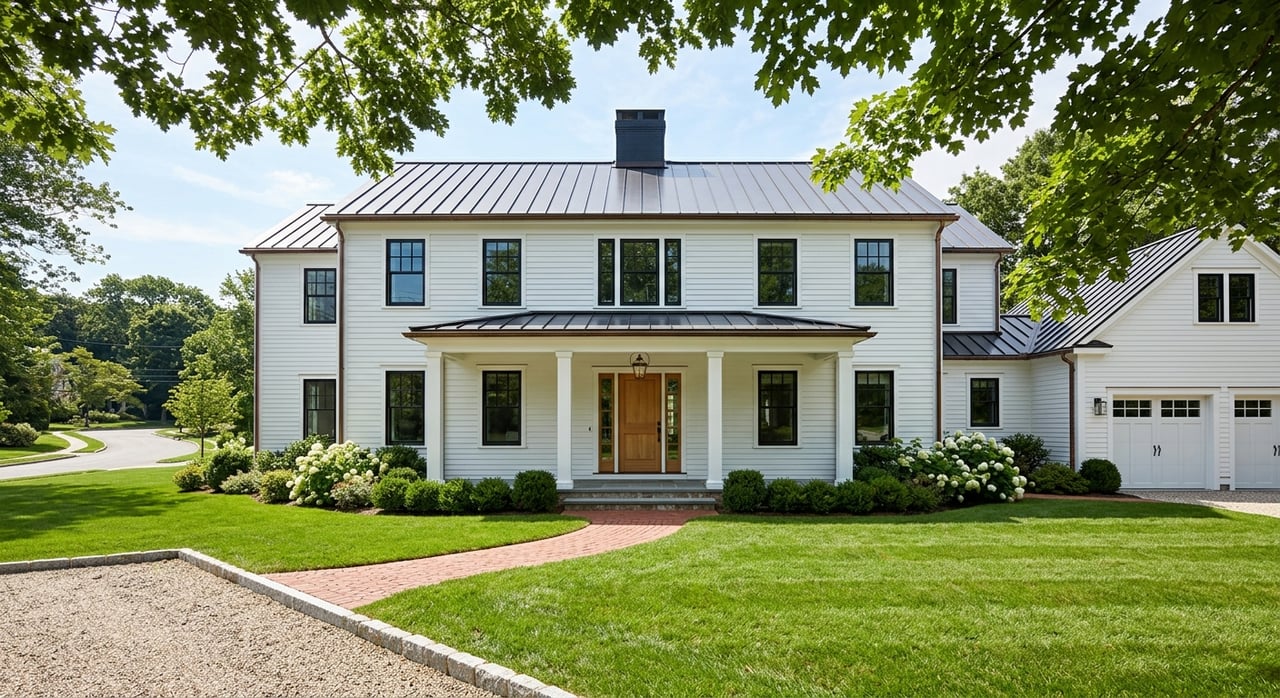
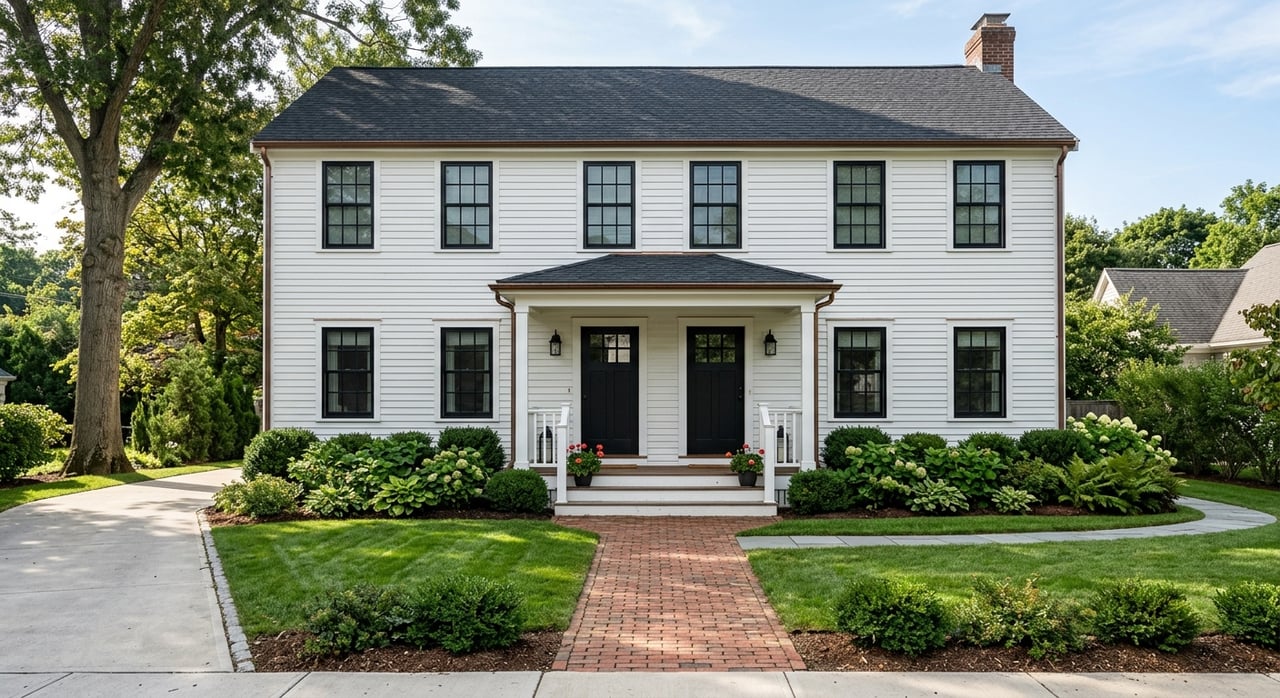
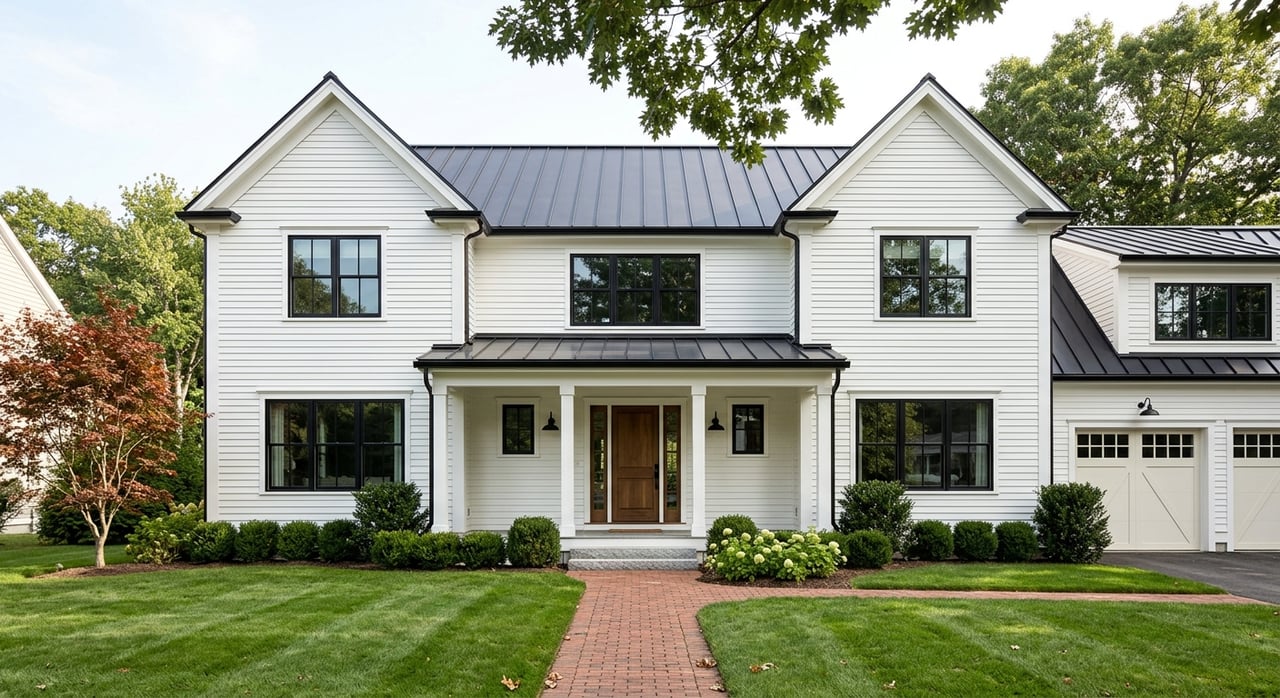
Holliston’s housing stock supports the idea of an established suburban market. According to the town’s housing production plan, Holliston has almost 5,700 total housing units, and single-family homes make up 84.4% of the housing stock. That means the dominant feel is residential, low-rise, and rooted in traditional neighborhood patterns.
Most owner-occupied homes were built between 1960 and 1979. That often translates into mature streetscapes, established lots, and homes that may offer more separation and yard space than denser housing formats. At the same time, renters in town are more often found in smaller multi-unit structures and older buildings, which shows that there is some range in the market even if rentals do not define the town.
Census data adds useful context. Holliston’s estimated 2024 population is 15,347, the owner-occupied share is 87.4%, the median owner-occupied home value is $650,300, and the median household income is $159,817. Together, those figures point to a stable, owner-oriented community with a strong suburban profile.
Historic Character Shapes the Feel
Part of what gives Holliston its identity is its preservation framework. The Historical Commission administers a demolition-delay bylaw to help protect significant buildings and structures. The town’s housing production plan also notes that MACRIS lists nearly 300 historic resources in Holliston.
The National Register includes the East Holliston Historic District, the Thomas Hollis Historic District, the Hydrant No. 3 House, Bullard Farm, and the Isaac Bullard House. Historic resources are concentrated in places such as Mudville, Bullard Farm, Holliston Center, and the John Curtis House and Barn. For buyers, that helps explain why parts of town feel traditional and layered rather than newly built all at once.
If you are drawn to places with a preserved village core, this matters. Holliston’s identity is shaped by older civic buildings, historic districts, and long-standing landmarks. That does not mean every home is historic, but it does mean the town’s visual character has been intentionally protected.
What Commuting and Access Look Like
Holliston works well for people who want suburban space without feeling cut off from the broader MetroWest area. Census QuickFacts reports a mean travel time to work of 34.2 minutes, which is consistent with a commuter town. That makes location strategy important if you are balancing home life with regular travel to nearby job centers.
The town’s transportation page says The Center and the MetroWest Regional Transit Authority provide local van service, and MWRTA Route 6 operates throughout town. The van program includes regular service to nearby communities such as Framingham, Natick, Ashland, Hopkinton, Sherborn, Southborough, Bellingham, Franklin, Medway, Medfield, Millis, Mendon, Milford, and Upton on different days. The broader MWRTA service area also includes nearby MetroWest communities such as Framingham, Natick, Southborough, and Wellesley.
That does not make Holliston an urban transit-first market. What it does offer is useful regional reach for errands, appointments, and some commuting needs while preserving a quieter residential feel. If you want walkable pockets plus access to the surrounding region, that balance is a major part of the appeal.
Who Holliston May Appeal To
Holliston can be a strong fit if you want a town where outdoor access, local events, and housing stability overlap. The rail trail adds movement and connection. The center adds civic life. The housing stock adds the sense that this is an established place rather than a fast-changing one.
You may be especially drawn to Holliston if you are looking for:
- A suburban setting with a recognizable town center
- Easy access to walking, biking, and seasonal community events
- A market where single-family homes are the dominant housing type
- Historic character and preserved local landmarks
- MetroWest access without a dense downtown environment
For buyers relocating from Boston or another more urban setting, Holliston can feel like a meaningful lifestyle shift. You are trading constant density for a more rooted village atmosphere, while still keeping practical ties to the wider region.
What to Keep in Mind as You Search
When you look at homes in Holliston, it helps to think beyond square footage and finishes. In a town like this, location within the community can influence your day-to-day experience in a big way. Proximity to the rail trail, the center, or one of the historic areas may shape how connected your routine feels.
It is also worth remembering that Holliston’s market is largely owner-oriented and built around single-family housing. That can affect inventory, pricing expectations, and the types of homes you are most likely to encounter. If you are comparing Holliston to nearby communities, the value is often in the lifestyle pattern as much as the property itself.
A thoughtful home search here means matching your priorities to the parts of town that support them. If trail access, community programming, and classic New England character are high on your list, Holliston offers a compelling mix.
If you are considering a move to Holliston or comparing it with other MetroWest communities, working with a team that understands how lifestyle and market positioning come together can make the process much clearer. Melissa Deutsch offers personalized guidance to help you evaluate the right fit, whether you are buying, selling, relocating, or planning your next move.
FAQs
What is the Upper Charles Rail Trail in Holliston like?
- The Holliston section is 6.7 miles long, about 10 feet wide, and has a stone-dust surface for non-motorized uses like walking, biking, jogging, and cross-country skiing.
What kind of housing is most common in Holliston?
- Holliston is dominated by single-family homes, which make up 84.4% of the housing stock according to the town’s housing production plan.
What gives Holliston its historic character?
- Holliston has nearly 300 historic resources listed in MACRIS, multiple National Register sites, and a demolition-delay bylaw that helps protect significant buildings and structures.
What is the town center experience like in Holliston?
- Blair Square serves as a central gathering place for civic events, entertainment, recreation, and weekend farmers markets, and it also connects closely with the rail trail.
Is Holliston mainly a homeowner community?
- Yes. Census data shows that 87.4% of housing units are owner-occupied, which supports Holliston’s identity as an established suburban market.
What does commuting from Holliston look like?
- Holliston has a mean travel time to work of 34.2 minutes, and local transportation options include The Center van service and MWRTA Route 6 with connections to nearby MetroWest communities.