Wondering whether your next condo should be in Brookline or central Boston? It is a common decision for buyers who want convenience, character, and a location that fits everyday life, not just weekend plans. The good news is that both options offer strong appeal, but they do it in very different ways. If you are weighing commute, neighborhood feel, building style, and long-term fit, this guide will help you sort through the trade-offs. Let’s dive in.
Start With Daily Lifestyle
The biggest difference between Brookline and central Boston is how your day-to-day routine feels.
Brookline functions more like a town made up of village centers than one single downtown. According to the town, it has eight distinct commercial areas, with Coolidge Corner serving as the principal commercial district. That setup creates a neighborhood-scale experience where shops and services are woven into residential areas.
Central Boston neighborhoods such as Back Bay, South End, Fenway, and Downtown offer a more continuous city-center environment. City planning descriptions point to denser streets, stronger restaurant and arts activity, more office buildings, and heavier visitor traffic. If you want a busier urban rhythm, central Boston may feel like a more natural match.
Brookline Condo Living
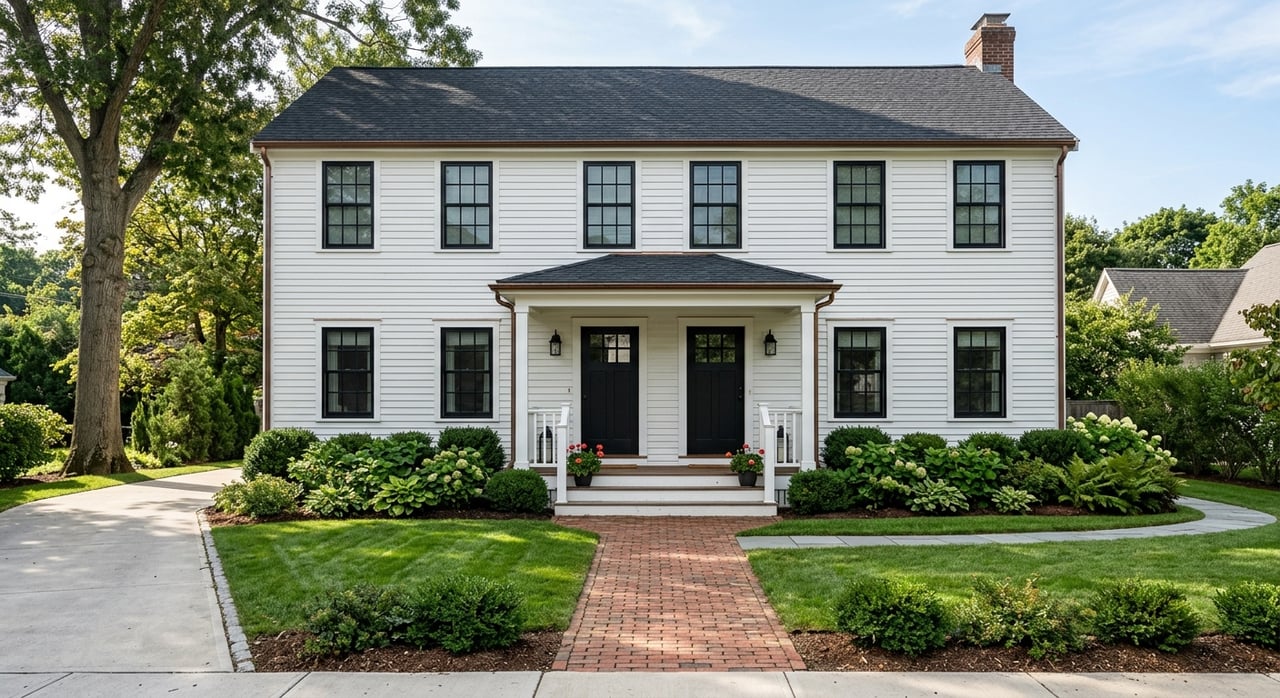
Brookline often appeals to buyers who want walkability without giving up a more residential setting. Instead of one concentrated downtown core, you get distinct centers that feel connected to the neighborhoods around them.
That can shape your routine in a meaningful way. You may find that your favorite coffee spot, grocery run, and transit stop feel close at hand, but the area still reads as local and neighborhood-focused rather than intensely urban.
For many condo buyers, that balance is the draw. You are still close to Boston, but your immediate environment may feel a bit more measured and village-like.
What Brookline Feels Like
Brookline’s official planning language emphasizes business districts as part of the residential fabric. That matters because it helps explain why Brookline often feels different from central Boston, even when the distance on a map seems small.
If you picture your ideal condo location as a place where daily errands and dining are nearby but the setting still feels rooted in residential blocks, Brookline may check that box. Buyers who prefer that scale often start here.
Who Brookline May Suit Best
Brookline may be a strong fit if you want:
- A village-center routine
- Strong transit access without living in the busiest core
- Older condo buildings with period character
- A location with easy access to neighborhood commercial districts
That does not mean Brookline is quiet in every spot or that it lacks energy. It simply offers a different pattern of living than the denser central Boston neighborhoods in this comparison.
Central Boston Condo Living
Central Boston offers a more classic city experience. In neighborhoods like Back Bay, South End, Fenway, and Downtown, the mix of homes, restaurants, offices, transit, and visitor activity creates a stronger sense of being in the middle of it all.
For some buyers, that energy is the point. If you want quick access to major streets, cultural destinations, business districts, and a wider web of transit connections, central Boston can be hard to beat.
This kind of location can also simplify life if your routine depends on moving between neighborhoods often. More transit overlap and more transfer points can make a difference when your week is not limited to one straight commute.
What Central Boston Feels Like
City and state descriptions highlight multiple transit-rich destinations and busy mixed-use streets. That creates a more continuous walkable core than Brookline’s village-center format.
If you want your condo location to place you near a denser network of dining, office buildings, and major destinations, central Boston may align more closely with your goals. The trade-off is that the environment often feels busier and more urban.
Who Central Boston May Suit Best
Central Boston may be a strong fit if you want:
- Denser city living
- More transit overlap and transfer options
- Faster access to major business and cultural districts
- A wider mix of historic and modern condo settings
For buyers who thrive on a highly connected city lifestyle, this can be the better match.
Compare The Commute
Commute may be the most practical tiebreaker in this decision. A condo can look perfect on paper, but if the daily trip feels harder than expected, the location may lose its appeal quickly.
Brookline has strong Green Line service. The town says the C Line runs along Beacon Street from St. Mary’s to Coolidge Corner to Cleveland Circle, the D Line runs from Chapel Street in the Longwood Medical Area to Brookline Village to Reservoir Station in Cleveland Circle, and the B Line serves Brookline’s northern edge. Brookline is also served by bus routes 51, 60, 65, and 66, along with The Ride, Bluebikes, and Zipcar.
That range gives Brookline an unusually broad mobility mix for a suburb-adjacent location. If you want to rely less on a car, Brookline offers more than just a single rail option.
Central Boston offers even more transit overlap. Boston notes that Newbury Street is served by Arlington, Copley, and Hynes on the Green Line plus Back Bay Station on the Orange Line and commuter rail, while state listings point to major hubs such as Downtown Crossing, Park Street, Government Center, and North Station.
If You Work In Longwood
Brookline deserves a close look if your routine centers on the Longwood Medical Area. The D Line runs directly through that corridor, which can make a meaningful difference for daily travel.
That does not automatically make Brookline the right answer, but it does make it especially relevant for buyers who want a cleaner Longwood commute.
If You Need More Transit Flexibility
Central Boston may be more appealing if your schedule involves multiple neighborhoods, transfer-heavy routes, or regular travel through major hubs. More overlap can mean more ways to get where you need to go.
If your work or lifestyle depends on optionality, not just one direct line, central Boston may offer the advantage.
Condo Building Styles Matter
The condo itself matters, but so does the kind of building stock common in each location.
Brookline’s identity is not primarily high-rise. The town’s comprehensive plan notes that rental apartments have been converted into condos and that new condos have been built, while also pointing to a long history of apartment construction dating back to the 1880s. Brookline is also known for pre-1950 apartment buildings, including central courtyard and garden-court designs.
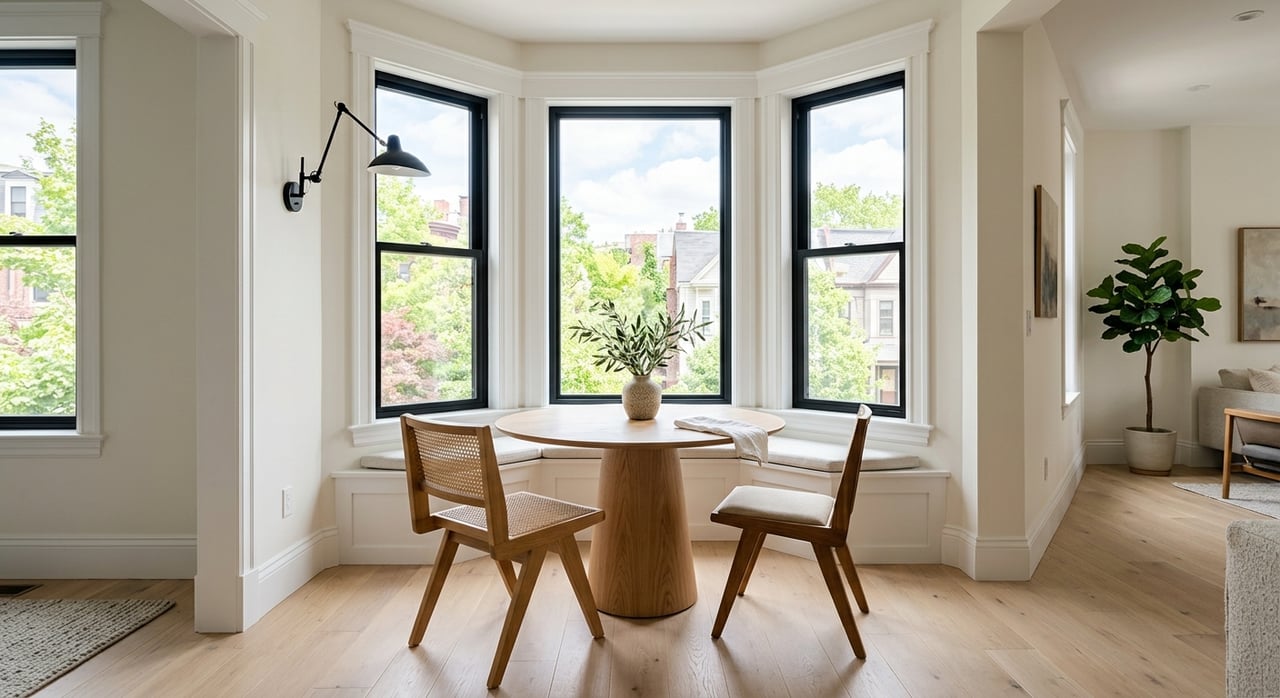
For buyers drawn to older architecture and established building forms, Brookline can offer a lot of character. That may show up in layout, exterior appearance, and overall streetscape.
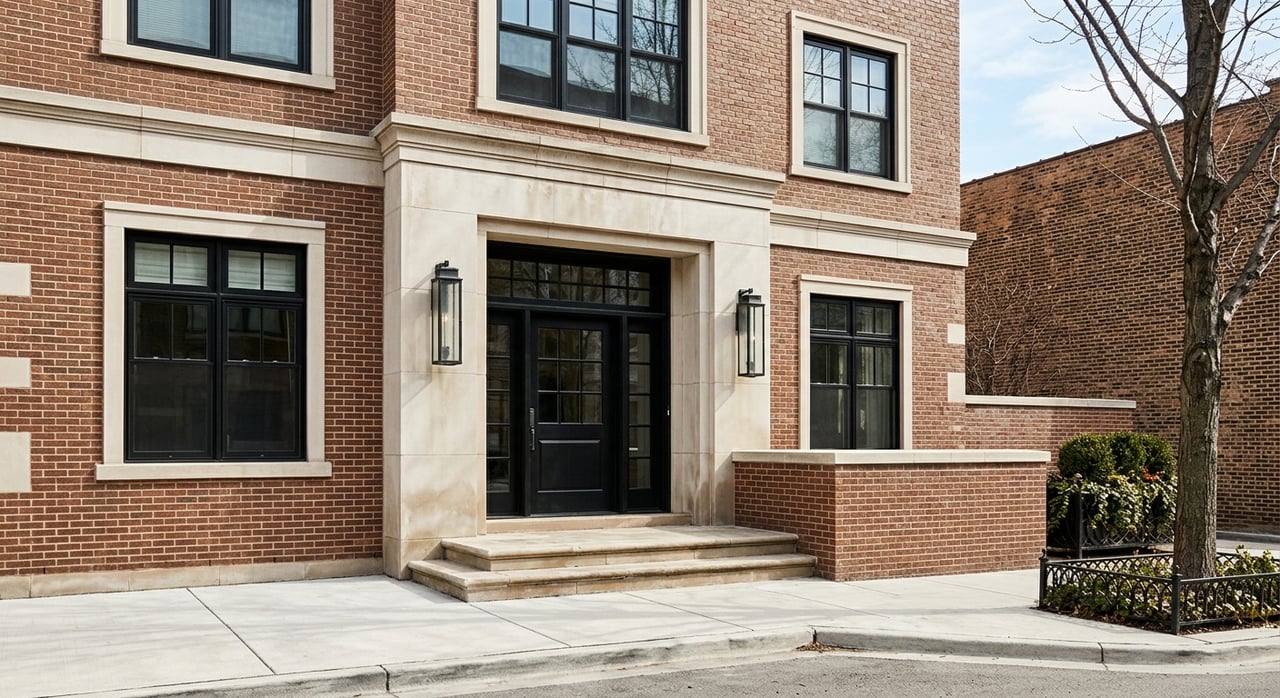
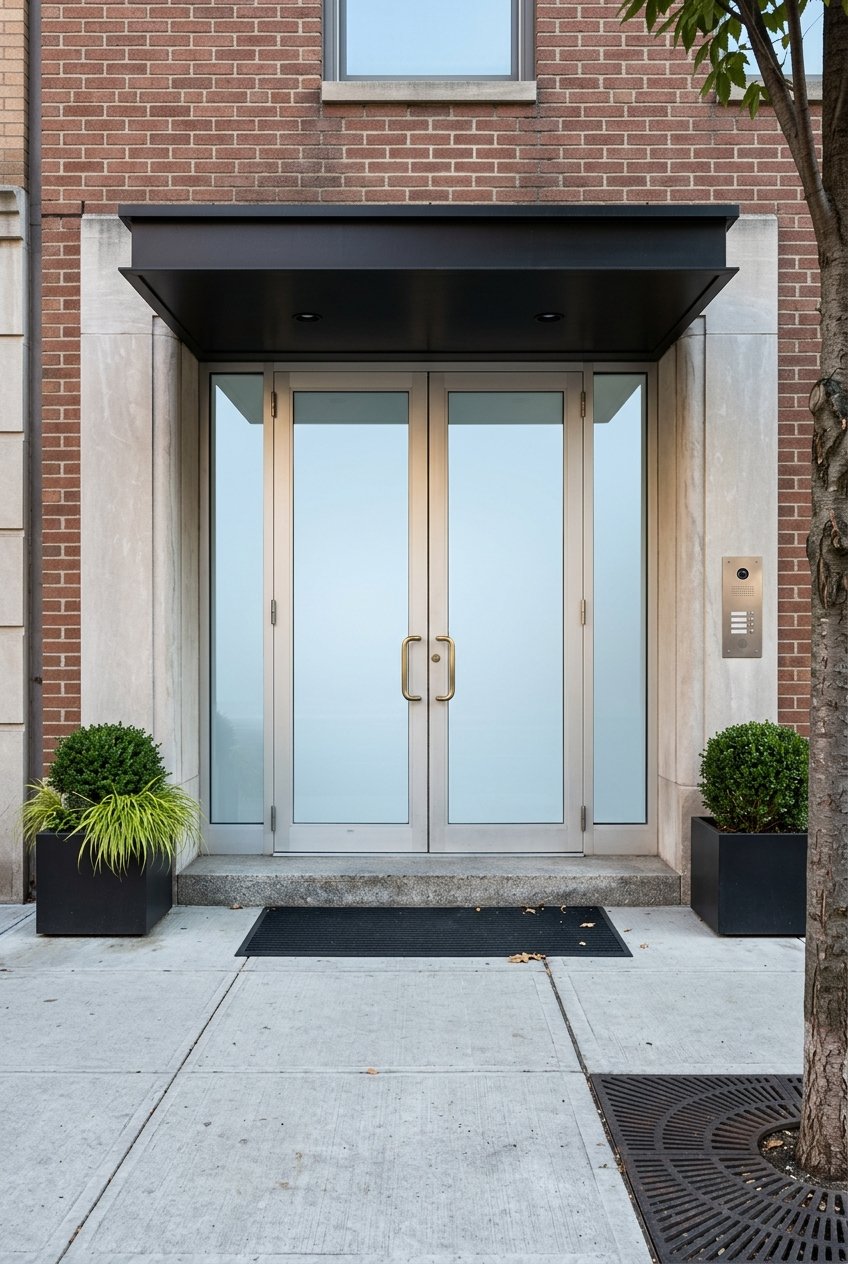
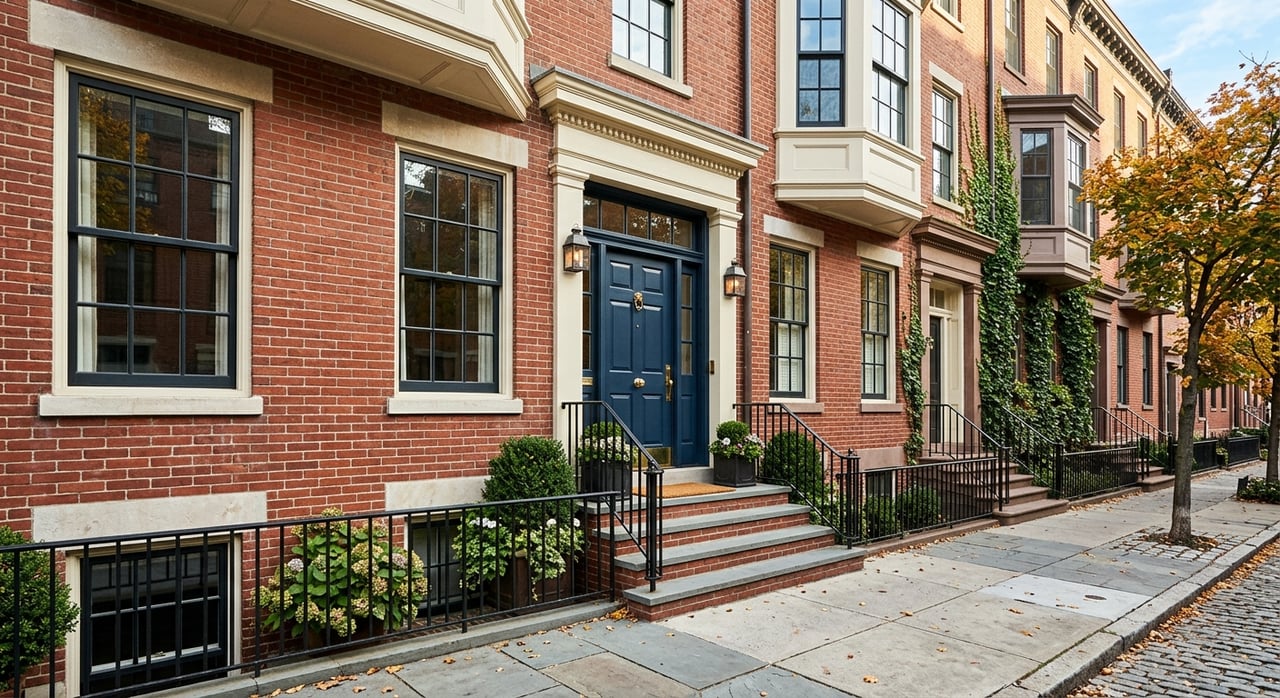
Central Boston’s condo stock is more explicitly urban and, in some places, more vertical. Back Bay includes Victorian row houses and a protected historic district, South End features Victorian townhouses and a mix of historic brick homes and publicly funded housing, Fenway combines brick row houses with newer apartment and condo towers, and Downtown ranges from historic apartment buildings to modern glass towers.
Brookline Building Character
Brookline may appeal if you like:
- Pre-war apartment buildings
- Courtyard-style layouts
- Historic architectural character
- A lower-profile condo setting than a tower environment
If building charm is high on your list, Brookline’s older housing stock may stand out.
Central Boston Building Variety
Central Boston may appeal if you want more variety across building types. Depending on the neighborhood, you may be choosing between historic row-house living, mid-rise buildings, or more modern tower-style condos.
That broader range can be useful if your wish list includes newer construction, elevator buildings, or a more vertical urban feel.
Historic District Rules Can Affect Ownership
This is one of the most overlooked parts of the condo search.
In Brookline, the town says most exterior modifications and some landscape changes in local historic districts require review to ensure they fit the district’s historic character. That may not affect your daily life much if your building handles everything, but it is still worth understanding before you buy.
Historic preservation can also shape condo ownership in central Boston. Back Bay is a protected historic district, which means long-term building character is part of the appeal, but it can also come with review considerations.
If you care about renovation flexibility, visible exterior changes, or how your building may evolve over time, this should be part of your location decision, not just a unit-level question.
Questions To Ask Yourself First
Before you choose Brookline or Boston, it helps to get clear on what you want your week to look like.
Ask yourself:
- Do you want a village-center routine or a more urban one?
- Is your commute best served by the Green Line, the Orange Line, commuter rail, or multiple transfers?
- Do you prefer older building character or a more modern condo product?
- Would historic district review affect your comfort level with the property?
- If you work in Longwood, Back Bay, or Downtown, which location gives you the easiest daily trip?
These questions can narrow the search quickly. They also help you focus on fit, not just square footage or finishes.
So, Which Condo Location Is Right?
If you want neighborhood-scale living, village-center convenience, and strong Green Line access, Brookline may be the better fit. If you want denser city living, more transit overlap, and faster access to major business, dining, and cultural districts, central Boston may make more sense.
Neither choice is universally better. The right answer depends on how you live, where you commute, and what kind of building and neighborhood experience you want from your condo.
A smart condo search starts by matching location to lifestyle, then narrowing to the right building and unit. If you want help comparing Brookline and Boston through that lens, Melissa Deutsch can guide you with practical local insight and a personalized approach.
FAQs
Is Brookline or Boston better for a condo commute?
- It depends on where you travel most often. Brookline has strong Green Line service, especially for Longwood access, while central Boston offers more transit overlap and major transfer points.
Is Brookline more residential than central Boston for condo buyers?
- Yes. Official planning descriptions present Brookline as a town of village centers embedded in residential neighborhoods, while central Boston is described as denser and more urban.
Are Brookline condos mostly high-rise buildings?
- No. Brookline’s housing stock includes many older apartment-to-condo conversions and historic apartment buildings, and its identity is not primarily high-rise.
Do historic district rules matter when buying a condo in Brookline or Boston?
- Yes. In Brookline, most exterior modifications and some landscape changes in local historic districts require review, and protected historic areas in Boston can also affect building-level decisions.
Is Brookline a good condo location for Longwood workers?
- It can be. Brookline’s D Line runs through the Longwood Medical Area, which may make the daily commute more direct for some buyers.