Buying near Hingham Harbor can feel like checking every box at once: water views, coastal character, and a location with access to both Boston and the South Shore. But harbor-area homes also come with a more detailed due diligence process than many buyers expect. If you are considering a home near the harbor, it helps to know what can affect costs, renovations, insurance, and day-to-day ownership before you make an offer. Let’s dive in.
Why Hingham Harbor draws buyers
Hingham sits about 15 miles south of Boston and includes 21 miles of shoreline. The town also has six historic districts and continues to invest in harbor access, including harbor park improvements and history signage stretching from Broad Cove to the Hingham Maritime Center.
For you as a buyer, that means the harbor area offers more than scenery. It combines coastal access, historic character, and commuter convenience, which is a big part of its appeal. At the same time, those same features can bring added layers of planning when you evaluate a specific property.
Why one harbor street can differ from another
Not all homes near Hingham Harbor come with the same conditions. Shoreline position, elevation, nearby wetlands, and whether a parcel falls in a regulated or historic area can all change what ownership looks like.
A house a few streets over from another may have different flood exposure, drainage concerns, or permitting requirements for exterior work. That is why harbor-area buying is less about broad assumptions and more about parcel-specific review.
Historic homes and renovation rules
Hingham has a strong preservation framework
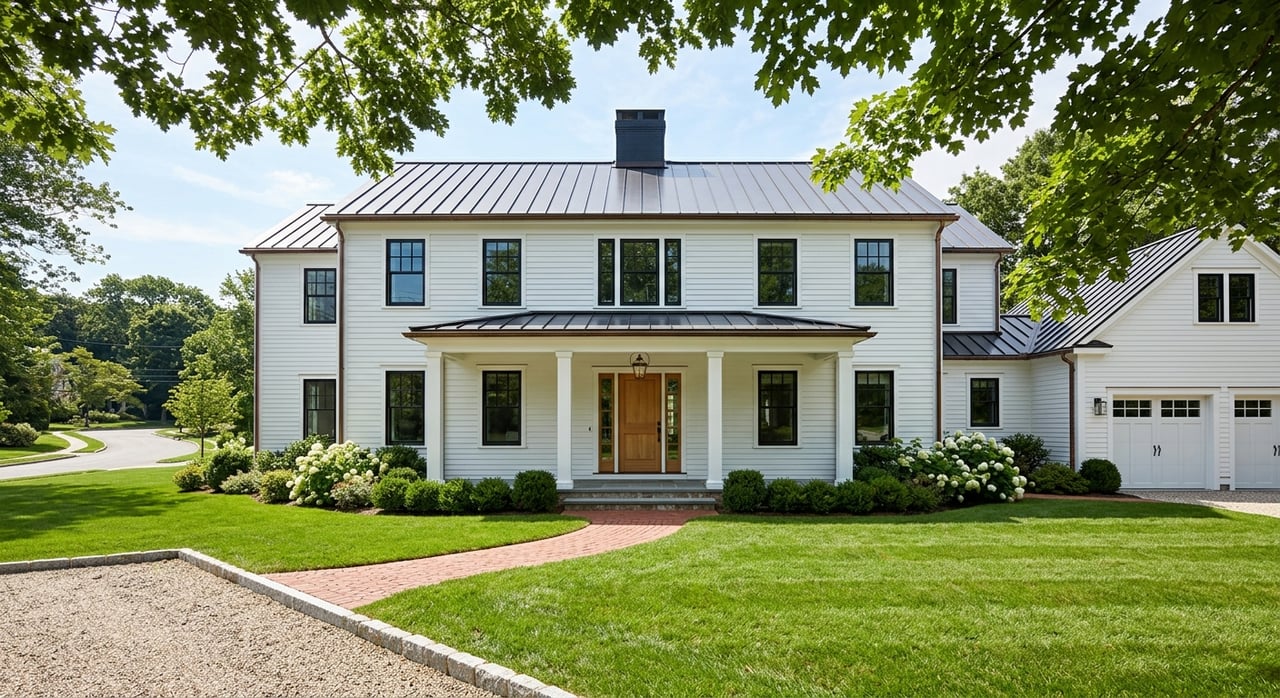
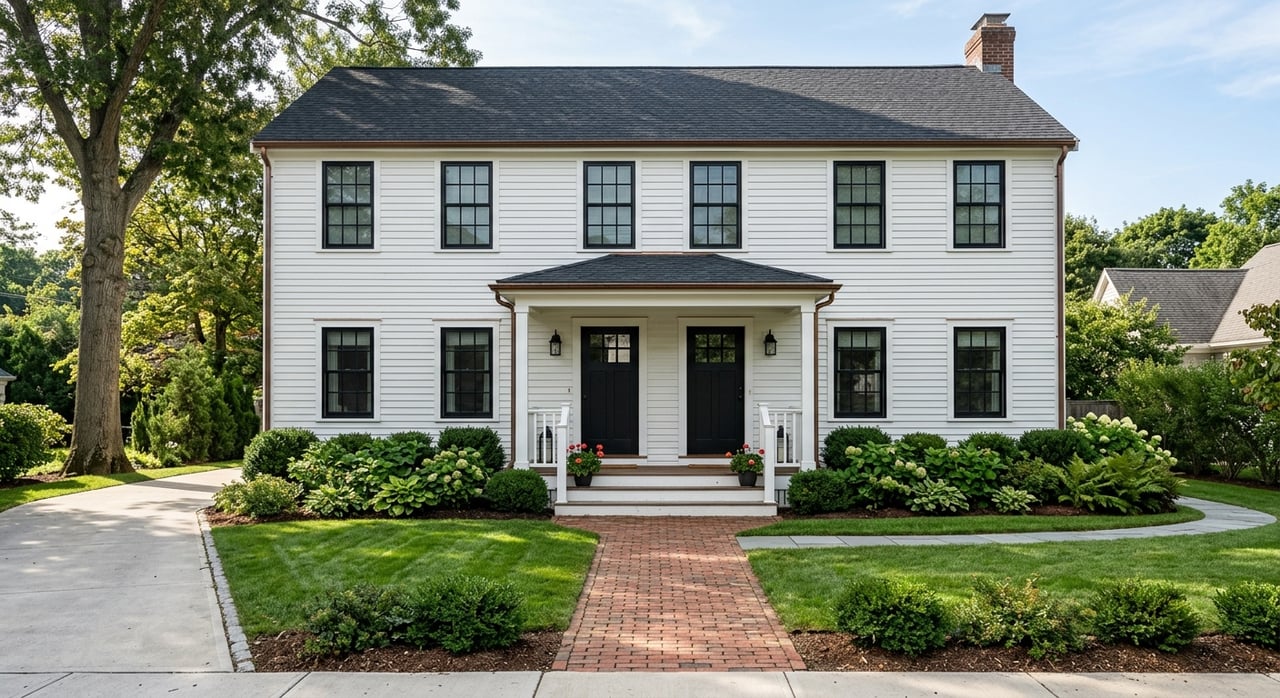
Hingham’s historic inventory includes many Colonial, Federal, Greek Revival, Cape Cod, Colonial Revival, and Colonial Traditional homes. The town’s Historical Commission inventories more than 1,500 assets, and Hingham includes six historic districts.
If a home is located in a local historic district, the Historic Districts Commission may review exterior alterations and new construction. That can include projects like additions, porches, siding replacement, and window work.
What this means before you buy
If you are drawn to an older harbor-area property, do not assume you can update the exterior on your own timeline or design preference. Before closing, confirm whether the parcel sits in a local historic district and ask what types of exterior changes may require review.
This is especially important if your budget includes post-closing improvements. A beautiful older home may still be the right fit, but you want a clear picture of approvals, timelines, and project scope before moving forward.
Flood zones deserve close attention
Parcel-specific flood review matters
Flood review is one of the most important steps when buying near Hingham Harbor. The town notes that its flood maps have been updated multiple times and directs owners to both parcel-based local mapping and FEMA flood map tools.
Hingham’s own flood information distinguishes inland flood zones such as A, AE, AH, and AO from coastal V and VE zones. Coastal V and VE zones carry added wave hazard, which can affect both risk and cost.
Local flood areas are useful signals
Hingham’s hazard mitigation materials identify local flood-prone areas including North Beach, the Yacht Club, Hingham Bathing Beach, and parts of Route 3A, East Street, and Kilby Street. These spots are helpful reference points when you compare homes, but they do not replace a property-specific map check.
In other words, a home’s exact location still matters more than a general neighborhood label. Before you buy, review the parcel carefully rather than relying on broad assumptions about the area.
Understand wetlands and protected areas
Hingham’s wetlands rules cover protected resource areas such as beaches, banks, dunes, salt marshes, low-lying flood plains, and land within 200 feet of rivers. If work is planned within or near a protected resource area, the Conservation office should review it before work begins.
For buyers, this matters because land use and improvements may be more limited than expected. Fences, drainage work, grading, shoreline structures, and some exterior projects may require additional review depending on the site.
Shoreline features can add responsibility
Docks, piers, and floats are not simple extras
Some harbor-adjacent properties may include docks, piers, or floats. Hingham’s Conservation Commission has specific standards for these structures, encourages shared docks where appropriate, and notes that Chapter 91 licensing may also apply.
If a property includes any of these features, treat them as ownership items that need review, not just amenities that come with the home. You will want to understand condition, permitting status, maintenance needs, and any limits on future changes.
Shore protection needs ongoing care
If a property already has shoreline protection in place, such as a seawall or revetment, it is smart to view that as a continuing maintenance item. Massachusetts coastal guidance notes that sea level rise can worsen storm surge, tidal flooding, shoreline erosion, and road closures.
The state also notes that coastal landscaping can help with erosion control, pollution buffering, and maintenance management. For you, the key takeaway is that waterfront protection is rarely a one-time issue.
Sea level rise should be part of your thinking
Massachusetts reports that sea level rose about 9 inches during the 20th century and projects additional rise by 2030 and 2070. Hingham is also actively studying harbor resilience, with local planning that includes sea level rise, coastal design, and future alternatives.
That does not mean every harbor-area home carries the same level of concern. It does mean buyers should think beyond today’s appearance and consider how a property may perform over time under changing coastal conditions.
Check the home’s low-lying areas
For homes with basements, crawlspaces, or utilities located in lower areas, take a close look at drainage and equipment placement. FEMA’s retrofitting guidance highlights the importance of checking flood-resistant construction details, drainage, and where major systems are located.
Before closing, pay attention to signs of past water intrusion, the elevation of mechanicals, and how the site handles heavy rain or coastal weather. These details can shape both future maintenance and your comfort level as an owner.
Flood insurance may be separate from homeowners coverage
Do not assume your standard policy covers flood damage
FEMA states that most homeowners insurance does not cover flood damage. Flood insurance is generally a separate policy, and properties in Special Flood Hazard Areas with government-backed loans are generally subject to mandatory purchase rules.
That makes early insurance planning especially important when you are buying near the harbor. You want to understand possible coverage needs and pricing before your budget is fully committed.
Timing matters too
New NFIP flood policies usually have a 30-day waiting period before coverage begins, although FEMA notes there are exceptions tied to mortgage transactions and certain map changes. Premiums can be influenced by location, flood zone, building design, age, elevation, and replacement cost.
This is one more reason to ask insurance questions early in the process. Waiting until the last minute can create stress when you are already juggling financing, inspections, and closing deadlines.
Test the commute, not just the map
One reason buyers consider Hingham Harbor is access to Boston. Hingham’s transportation information lists Routes 3, 3A, and 228 as principal highways, commuter rail service on the MBTA Greenbush line at West Hingham and Nantasket Junction, and commuter boat service from Hingham to Rowes Wharf in Boston.
The town also notes that Rowes Wharf connects to Logan Airport by the Massport Airport Water Shuttle. For some buyers, that combination can be a major lifestyle benefit.
Schedules and timing still matter
If you plan to rely on the ferry or train, test that plan in real life. The MBTA ferry schedule varies by day and season, so it is worth checking the current timetable and trying the route at the time of day you would actually travel.
A harbor location can look ideal on paper but feel very different once you factor in parking, weather, and your true weekday routine. A quick trial run can tell you a lot.
A smart buyer checklist for Hingham Harbor
Before you buy a home near Hingham Harbor, make sure you:
- Confirm the property’s flood zone using parcel-specific mapping
- Ask whether the home is in a local historic district
- Review any wetlands or protected resource area considerations
- Inspect drainage, basements, crawlspaces, and utility placement
- Evaluate any docks, piers, floats, seawalls, or revetments
- Ask about maintenance history for shoreline-related improvements
- Explore flood insurance needs and likely timing
- Test your actual commute by road, rail, or ferry
The bottom line
A home near Hingham Harbor can offer a special mix of coastal setting, historic charm, and commuter access. The key is making sure the home works for your budget, plans, and long-term comfort, not just your first impression.
With harbor-area properties, small details can have a big effect on ownership. If you want a careful, informed buying strategy and responsive guidance as you compare options, Melissa Deutsch can help you navigate the process with clarity and confidence.
FAQs
What should you check before buying a home near Hingham Harbor?
- You should confirm the flood zone, check for local historic district status, review wetlands or protected area issues, inspect drainage and low-lying spaces, and evaluate any shoreline structures or protections.
Are homes near Hingham Harbor always in a flood zone?
- No. Flood exposure can vary by exact parcel, elevation, and location, which is why a property-specific flood map review is essential.
Can you renovate an older home near Hingham Harbor freely?
- Not always. If the property is in a local historic district, exterior changes such as additions, porches, siding, or windows may require review by the Historic Districts Commission.
Do you need separate flood insurance for a home near Hingham Harbor?
- In many cases, yes. FEMA states that most homeowners insurance does not cover flood damage, so flood coverage is generally handled through a separate policy.
Is the Hingham ferry a practical Boston commute option?
- It can be, but you should verify current schedules and test the route yourself since ferry service can vary by day and season.