Wondering why one Brookline condo feels charming and quiet while another feels easier to maintain and more predictable month to month? In Brookline, condo style often tells you much more than looks alone. It can hint at layout, stairs, shared systems, privacy, fees, and even how future repairs may be handled. If you are trying to buy in Brookline, understanding these differences can help you choose with more confidence. Let’s dive in.
Why condo style matters in Brookline
Brookline has a housing stock with deep history and a distinctly urban-suburban feel. According to the town’s 2026 climate plan draft, more than half of Brookline’s housing units were built before 1939, 51% of units are in buildings with five or more units, and 24% are in 2 to 4 unit buildings.
That matters because Brookline condos are not one-size-fits-all. The building type often shapes your daily experience, from how much privacy you have to what your monthly fee covers. In a town with so many older and multi-unit properties, style is often a practical buying clue.
Brookline’s layout shapes its condo market
Brookline sits about four miles from downtown Boston and is surrounded by Boston on three sides. Its residential pattern grew with transit, village centers, and major corridors rather than spreading evenly across town.
The town notes that the Green Line C branch runs along Beacon Street through places like Coolidge Corner and Cleveland Circle, while the D branch connects the Longwood Medical Area, Brookline Village, and Reservoir. The 66 bus also serves Brookline Village and Coolidge Corner. Because less than 6% of Brookline land is zoned commercial, denser housing tends to cluster near these active areas.
For you as a buyer, that often means condo style and location go hand in hand. Older conversions and courtyard buildings may show up near established streets and village centers, while mid-rise and high-rise options are more likely along denser corridors.
Converted brownstones and townhouse condos
What they are
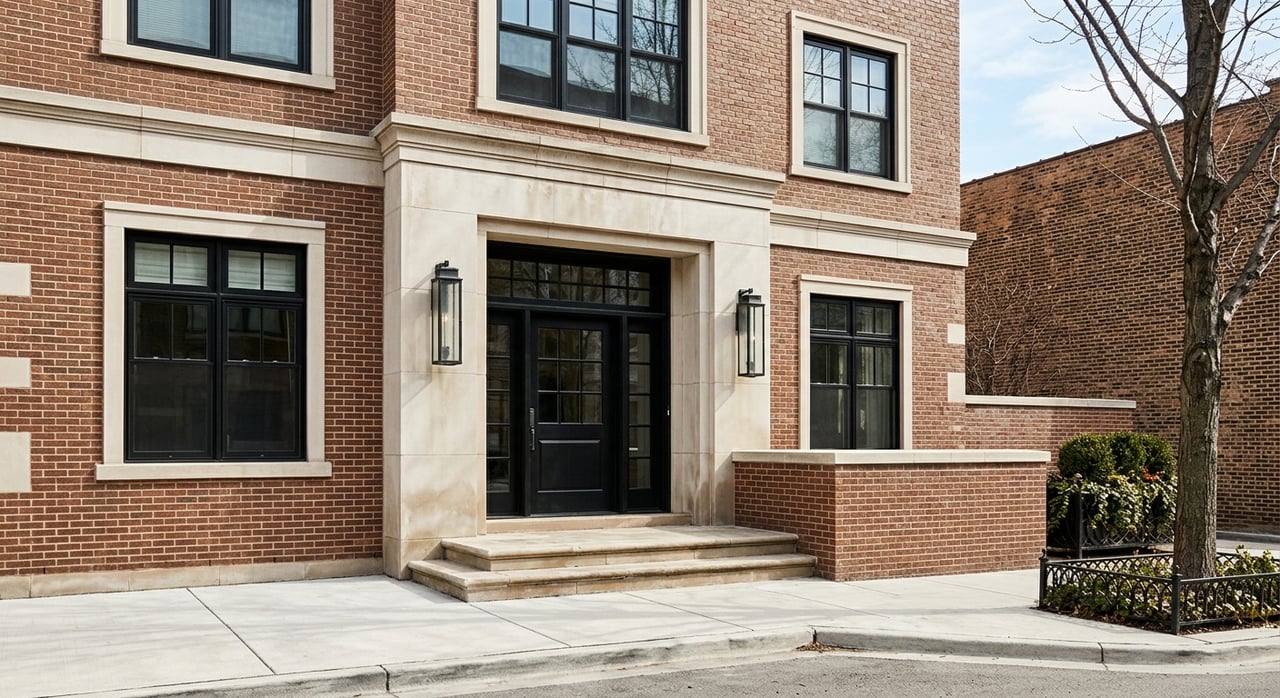
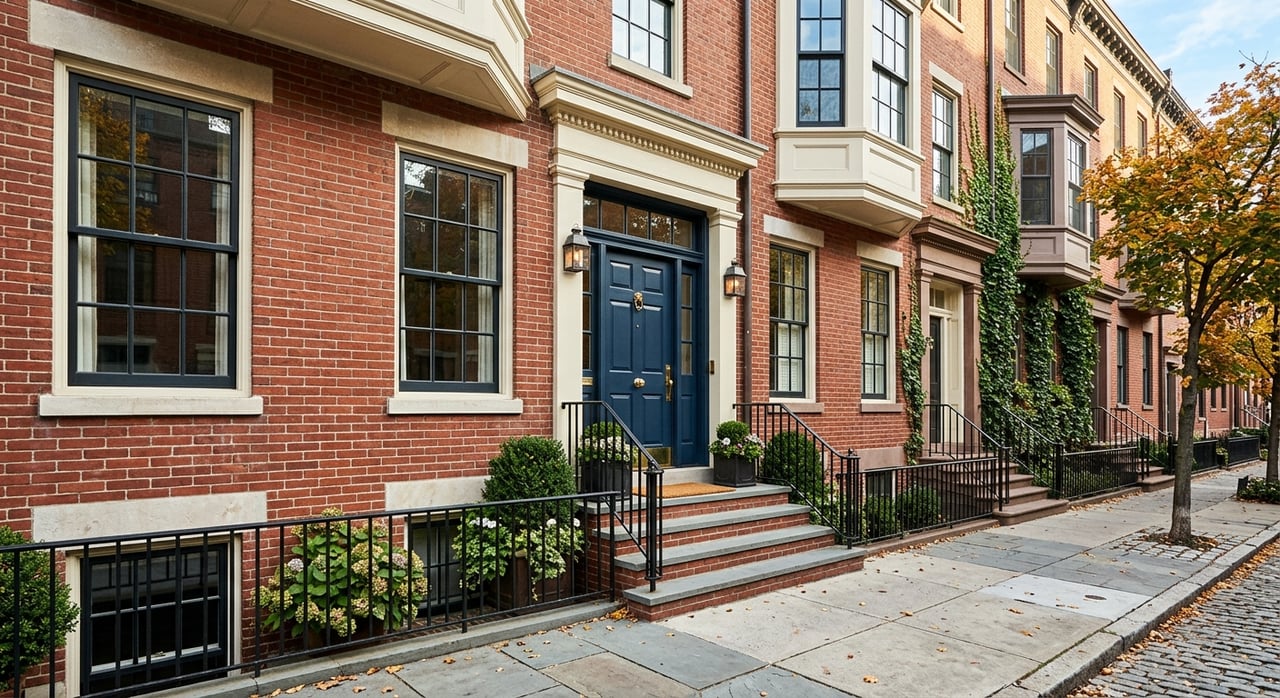
In Brookline, this category often includes older masonry townhouses, rowhouses, or small apartment houses that were later converted into condominiums. The Harvard Avenue Local Historic District reflects this pattern, including a 1901 row of twelve brick town houses and a 1928 apartment block.
These homes often attract buyers who want architectural detail, individuality, and a less cookie-cutter feel. No two units are exactly alike, which can be part of the appeal.
What they can mean for buyers
Older townhouse-style condos often come with more character, but they can also come with more quirks. You may see irregular floor plans, more stairs, and building-age issues that need a closer look during your due diligence.
In a smaller association, you may enjoy a more private and intimate feel. At the same time, a smaller building may have less financial cushion for major repairs, so budget planning and reserve strength matter.
Historic district considerations
Some of these buildings may fall within a local historic district. Brookline states that most exterior alterations, and some landscape changes, require town review in local historic districts.
That does not make these homes a bad choice. It simply means you should understand the rules before assuming you can change windows, update exterior features, or complete certain outside improvements on your own timeline.
Courtyard buildings and pre-war apartments
What they are
Brookline is especially known for courtyard-oriented apartment design. The town notes that many Brookline apartment buildings erected before 1950 used a central courtyard plan, with entrances facing shared green space.
The district report also says the garden-court apartment building idea originated in Brookline with Richmond Terraces in 1898 on Beacon Street. That local design history still shapes the look and feel of many condos buyers see today.
What they can mean for buyers
A courtyard building often feels more sheltered from street activity than a rowhouse conversion. If your unit faces inward, you may enjoy a quieter feel and a stronger sense of separation from the street.
These buildings can also create a pleasant shared green-space experience. Still, they rely on common elements and shared systems, which means the health of the association is a major part of the buying decision.
What to review carefully
When you consider a pre-war courtyard condo, focus on the association as much as the unit itself. Monthly fees, reserves, planned repairs, and common-area maintenance all deserve close attention.
Even if the unit looks move-in ready, the building’s shared systems can affect your ownership costs over time. In Brookline, that is especially important in older multi-unit properties.
Mid-rise elevator buildings
What they are
Mid-rise condo buildings tend to appear along Brookline’s denser corridors. The town says four-story buildings have been allowed along Harvard Street since 1922, and before 1962 five-story buildings were allowed there.
Recent filings also show continued interest in this scale, including a 6-story mixed-use building at 429 Harvard Street with 40 residential units, retail, and parking. This type of building often appeals to buyers who want a balance between older charm and a more modern setup.
What they can mean for buyers
A mid-rise building can offer a middle ground. You may get elevator access, more standardized layouts, and sometimes garage parking or mixed-use convenience without stepping into a very large high-rise environment.
That said, these buildings usually involve more common-area maintenance than a small conversion. The association budget may cover more systems, more vendors, and more shared spaces, which can affect monthly fees.
Who they often fit best
If you want easier accessibility, lower day-to-day stairs, and a building that may feel more predictable operationally, mid-rise living can be a strong fit. Buyers who value convenience often appreciate this category, especially near transit-rich parts of Brookline.
High-rise developments
What they are
Brookline’s tallest condo-style projects tend to cluster in denser commercial districts such as Coolidge Corner. Town materials describe projects like a 14-story apartment building with 143 units, parking, and amenities, as well as a separate 12-story residential proposal with 299 units.
These buildings represent a different ownership experience from Brookline’s older conversions and pre-war courtyard properties. They are typically more system-heavy and more amenity-driven.
What they can mean for buyers
High-rise living often means more modern systems and easier accessibility. You may also find an experience built around convenience, with a stronger emphasis on elevators, parking, and shared amenities.
The tradeoff is density and complexity. Larger buildings usually come with more moving parts in the budget, which makes it important to understand exactly how the association is run and what your fees support.
How condo style affects fees and upkeep
Condo fees are never just a line item. They are a window into how the building functions.
Fannie Mae notes that condo fees normally cover exterior and common-area maintenance and often include water, sewer, trash, insurance, and reserves. In simple terms, the more shared space, amenities, and building-wide systems a property has, the more likely it is that fees will reflect those responsibilities.
A small older conversion may have lower fees, but that does not always mean lower long-term cost. A larger building may charge more each month, yet offer more structured maintenance planning and stronger reserves. The key is understanding what you are getting in return.
Privacy, layout, and daily living
Condo style also shapes how a home feels once you move in. That can matter just as much as price per square foot.
A townhouse conversion may offer fewer immediate neighbors and a more house-like layout, but often with more stairs and less uniformity. A courtyard building may feel buffered from the street and centered around shared green space. A mid-rise or high-rise may offer easier access and more standard floor plans, but with more shared hallways, systems, and association oversight.
If you are planning for several years in the home, think beyond finishes. Consider whether the building’s layout fits your day-to-day routine and long-term needs.
Brookline factors to check before you buy
Brookline’s condo market is shaped by more than architecture. A few local details can change how well a unit fits your lifestyle.
Check transit access
Brookline is especially appealing for buyers who want to reduce car dependence. The town highlights Bluebikes stations in Brookline Village, Coolidge Corner, JFK Crossing, and Washington Square, along with Green Line service and the 66 bus.
If you want a more car-light routine, denser condo styles near village centers and major transit routes may be worth extra attention. Location and building type often work together here.
Check historic district status
If you are buying an older condo conversion, ask whether the building sits in a local historic district. Brookline requires review for most exterior changes, and sometimes for landscape changes, in these districts.
That can affect your future plans for exterior work. It is best to understand those limits before you buy, not after.
Check how new inventory enters the market
Brookline’s housing growth does not come from just one source. In 2024, the town approved 217 new housing units, including units created through redevelopment of smaller residential properties, garage or outbuilding conversions, basement conversions, a commercial-unit conversion, and units added on top of an existing building.
That tells you Brookline inventory can come from both larger projects and smaller adaptive reuse opportunities. As a buyer, it helps to stay open to a range of building types rather than focusing on one category alone.
Questions to ask before making an offer
The right condo is not just about style. It is about how that style connects to cost, rules, and your everyday life.
Before you move forward, ask questions like these:
- What does the monthly condo fee cover?
- How much of the budget goes to reserves?
- Is there a major capital project planned?
- Is there any risk of a special assessment?
- Is the building in a local historic district?
- Do the layout and stairs fit your long-term needs?
- If the building has an elevator or parking, how are those maintained and managed?
- If you are financing, will the project meet your loan program requirements?
Fannie Mae notes that lenders review a condo project’s physical condition, financial stability, pending legal issues, and inspections before approving financing. That makes building-level due diligence just as important as the unit itself.
Choosing the right Brookline condo style
There is no single best condo style in Brookline. The right fit depends on how you want to live, what level of maintenance feels comfortable, and how you weigh charm, accessibility, privacy, and predictability.
If you love historic details and individuality, an older conversion may be the right match. If you want a quieter inward-facing setting, a courtyard building may stand out. If convenience and accessibility top your list, a mid-rise or high-rise may make more sense.
The goal is to match the building to your priorities, not just the listing photos. That kind of clarity can save you time and help you buy with fewer surprises.
If you are comparing condo options in Brookline and want practical guidance on layout, fees, location, and resale potential, Melissa Deutsch can help you sort through the details and move forward with confidence.
FAQs
What condo styles are most common in Brookline?
- Brookline buyers often see converted brownstones or townhouse condos, courtyard buildings, pre-war apartment houses, mid-rise elevator buildings, and some high-rise developments in denser commercial areas.
What do older Brookline condo conversions usually mean for buyers?
- Older conversions often offer more character and unique layouts, but they may also bring more stairs, irregular floor plans, and greater sensitivity to building-age repairs and reserve planning.
How do Brookline courtyard condo buildings differ from townhouse conversions?
- Courtyard buildings often feel more buffered from street noise and offer shared green-space settings, while townhouse conversions may feel more private and house-like but less standardized.
Why are condo fees important when buying in Brookline?
- Condo fees can reflect the cost of exterior maintenance, shared systems, common areas, insurance, and reserves, so they help show how much upkeep responsibility is being handled at the building level.
How do local historic districts affect Brookline condo buyers?
- If a condo building is in a local historic district, most exterior changes and some landscape changes may require town review, which can affect future repair or renovation plans.
What Brookline location features should condo buyers pay attention to?
- Many buyers look closely at access to the Green Line C and D branches, the 66 bus, Bluebikes stations, and village-center locations because those factors can shape daily convenience and car dependence.